
Introduction
Founded in 1882 by a group of schoolboys and members of the Hotspur Cricket Club, Tottenham Hotspur Football Club — affectionately known as Spurs — has grown from modest beginnings into one of England’s most respected and influential football institutions. Originally formed as Hotspur F.C., the club later adopted the name Tottenham Hotspur in 1884 to distinguish itself from another local team bearing the same name.
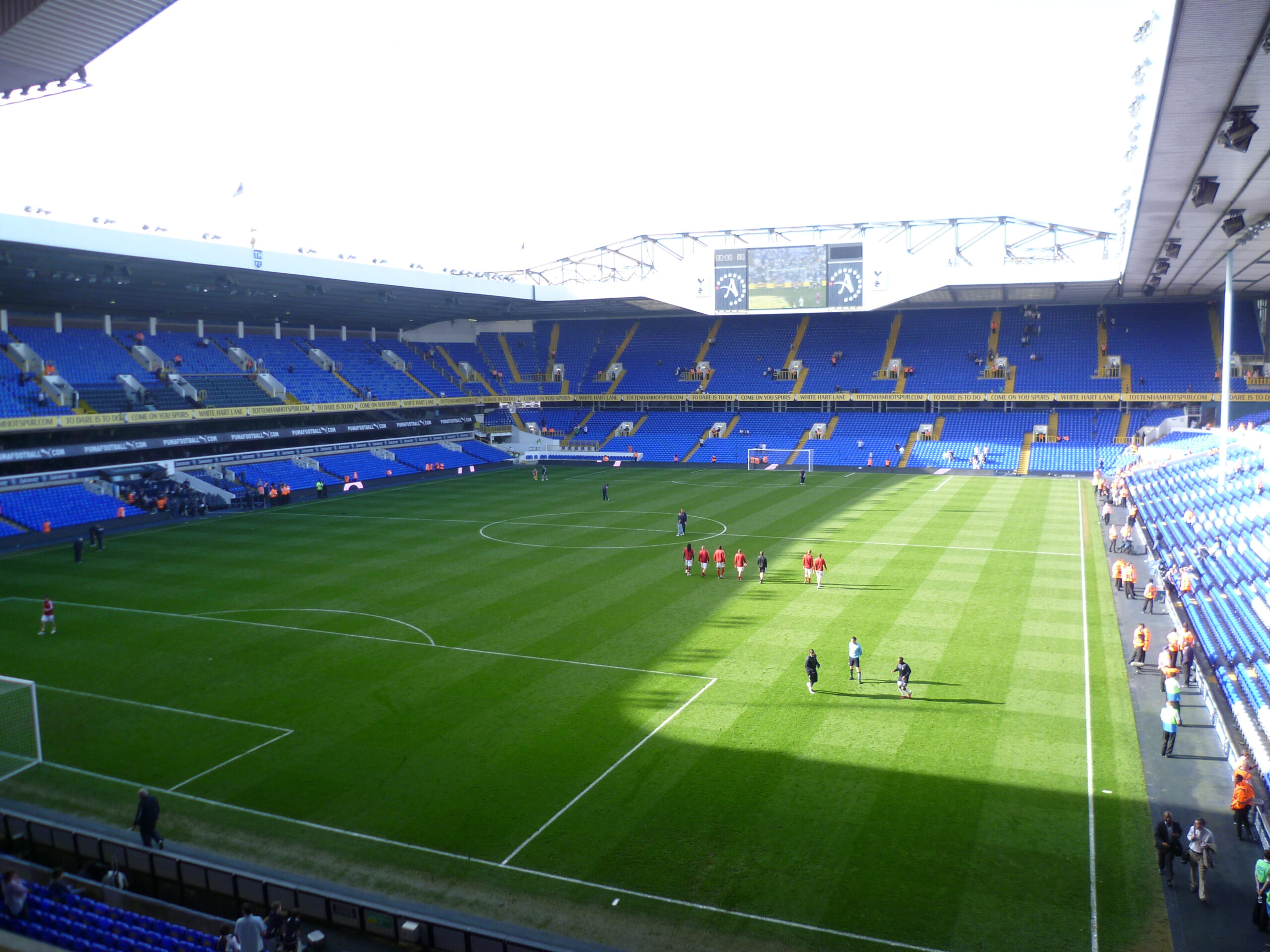
Situated in North London, Tottenham began by playing on local marshland before moving to Northumberland Park and later to the iconic White Hart Lane, a stadium that became synonymous with the club’s spirit and history for over a century. Today, Spurs play their home games at the state-of-the-art Tottenham Hotspur Stadium, one of the most technologically advanced football arenas in the world.
Tottenham’s rise to prominence was marked early in the 20th century when they won the FA Cup in 1901, becoming the only non-League club to achieve such a feat since the formation of the Football League. Over the decades, Spurs earned a reputation for their attacking flair, tactical innovation, and commitment to entertaining football — a philosophy epitomized by the famous “push and run” style introduced by manager Arthur Rowe in the 1950s.
The club reached legendary status during the 1960–61 season, becoming the first team in the 20th century to win the English League and FA Cup Double. This golden era was followed by more domestic and European triumphs, including victories in the UEFA Cup, League Cup, and FA Cup, solidifying Tottenham’s position among the greats of English football.
Beyond trophies, Tottenham Hotspur is celebrated for its iconic players, influential managers, and devoted fanbase. The club has produced and attracted football legends like Jimmy Greaves, Glenn Hoddle, Gary Lineker, Paul Gascoigne, Ledley King, and Harry Kane, all of whom have contributed to its enduring legacy.
Inception, Origin, Founder, First Training Ground
Founding & name
Tottenham Hotspur traces its origins to 1882. The club was formed by local boys from the Hotspur cricket club and the local grammar school; they adopted “Hotspur” as a team name and re-formed as Tottenham Hotspur Football Club in 1884. The early sides played on local marshes and public fields before adopting a more formal home. Tottenham quickly progressed from informal local fixtures to organised cup and league competition, joining the Southern League at the end of the 19th century and then the Football League in the early 20th century.
Founder figures & early patrons
There was no single autocratic “founder” in the modern sense; Tottenham was born of community initiative and local organisers — schoolboys, teachers and local sporting men who created a football side from an existing sporting club. Over time, local businessmen and committees took charge of administration and finances, providing the early managerial and governance framework that allowed Spurs to grow into a professional club.
First ground and early training
Spurs’ earliest matches were held on Tottenham Marshes and at various local playing fields. As the club grew, they settled at Northumberland Park and later moved to White Hart Lane in 1899 — a site that would become Tottenham’s spiritual home for more than a century. White Hart Lane served as both stadium and training base for decades; it was the focus of local identity until the club’s modern redevelopment and relocation to the Tottenham Hotspur Stadium in 2019. The club established youth and reserve practice areas near the ground, and, over time, moved training operations to purpose-built facilities offsite (see Hotspur Way section below).
Club Structure — Boards, Football Operations, Academy
Governance & ownership structure
Tottenham grew from local committees to modern corporate governance over the course of the 20th century. Since the early 2000s the club has been majority-owned by ENIC International Ltd, an investment company associated with Joe Lewis and managed operationally by Daniel Levy; ENIC’s ownership transformed Spurs into a commercially focused, globally marketed football business. In 2025 the club announced changes at board level, including leadership transitions as the club seeks fresh investment and a new commercial phase while retaining ENIC as majority owner. (See owners section for detail.)
Executive structure
Like modern clubs, Tottenham is organised around executive roles: a CEO who runs operations, a football director / sporting director who leads recruitment and player pathways, a head coach/manager responsible for first-team tactics and selection, a head of academy, and commercial directors who manage sponsorship, stadium events and corporate partnerships. The club also runs a matchday, ticketing and fan-experience division for the Tottenham Hotspur Stadium, plus stadium operations teams who service NFL and concerts when the stadium is used for non-football events.
Football operations & academy
Tottenham’s academy and youth development has been central to its identity: historically producing players like Ledley King and Harry Kane, the academy supplies domestic talent to the first team and generates transfer income when graduates move elsewhere. The football operations team works closely with analytics, scouting and medical departments at Hotspur Way to professionalise recruitment, player development and injury prevention.
All Coaches & Their Era (Concise managerial timeline and commentary)
Tottenham’s managerial history is long and at times turbulent. Below is a concise era-by-era list of the most impactful coaches/managers and what they brought to the club.
- Early managers (late 19th/early 20th century): Volunteer managers and secretaries who established organised competitive football for Spurs.
- Arthur Rowe (1950s): Introduced the “push and run” style, led Spurs to the Second Division title and then top-flight success.
- Bill Nicholson (1958–1974): Spurs’ most successful manager historically; the 1960s double (league and FA Cup 1960–61) and the 1962–63 Cup Winners’ Cup marked the club’s arrival as a major force.
- Keith Burkinshaw (1970s–1980s): Managed era producing FA Cup wins and domestic prominence.
- Terry Venables (1987–1991): Tactical pragmatism with signings who propelled Spurs to strong league finishes and cup success.
- Graham Roberts & Ossie Ardiles/other 1990s spells: Periods of transition and widely varying results.
- Juande Ramos (2007–2008): Short spell that delivered the 2008 League Cup.
- Harry Redknapp (2008–2012): Rebuilt Spurs into consistent top-six contenders.
- Mauricio Pochettino (2014–2019): Brought a pressing, attractive style and led Spurs to the 2018–19 UEFA Champions League Final, consolidating Spurs as an elite competitor.
- Jose Mourinho, Nuno Espirito Santo, Antonio Conte, Ange Postecoglou (2019–2025 period): High turnover; Enge and Conte brought mixed on-field results, and Postecoglou’s energetic style saw a competitive domestic push.
- Thomas Frank (appointed 2025): The most recent appointment as Spurs seek sustained progress and long-term stability.
Managers have often brought distinct philosophies: Nicholson’s disciplined team ethos, Pochettino’s youth and pressing, Conte’s structure and pragmatism, and Postecoglou’s high-tempo attacking football. The managerial carousel in the 2019–2025 period reflects modern football’s impatience with transitional cycles and Tottenham’s persistent search for a long-term model that balances success with sustainable recruitment.
Best Players to Have Ever Featured for Tottenham (including captains)
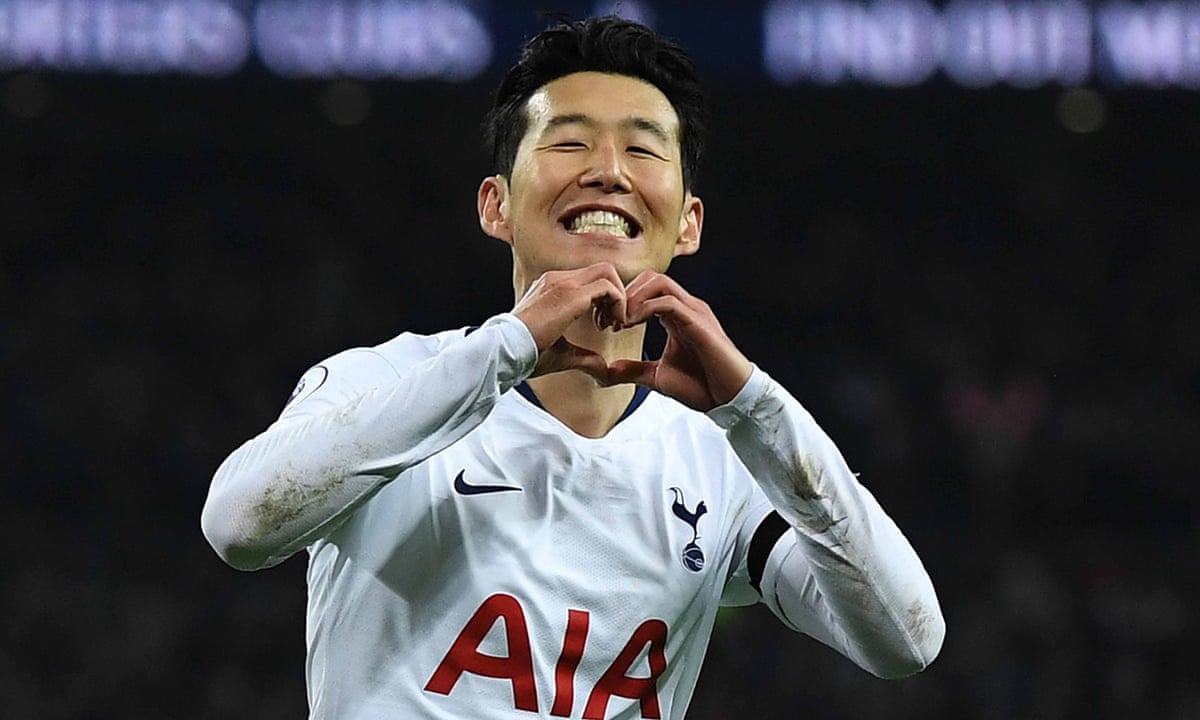
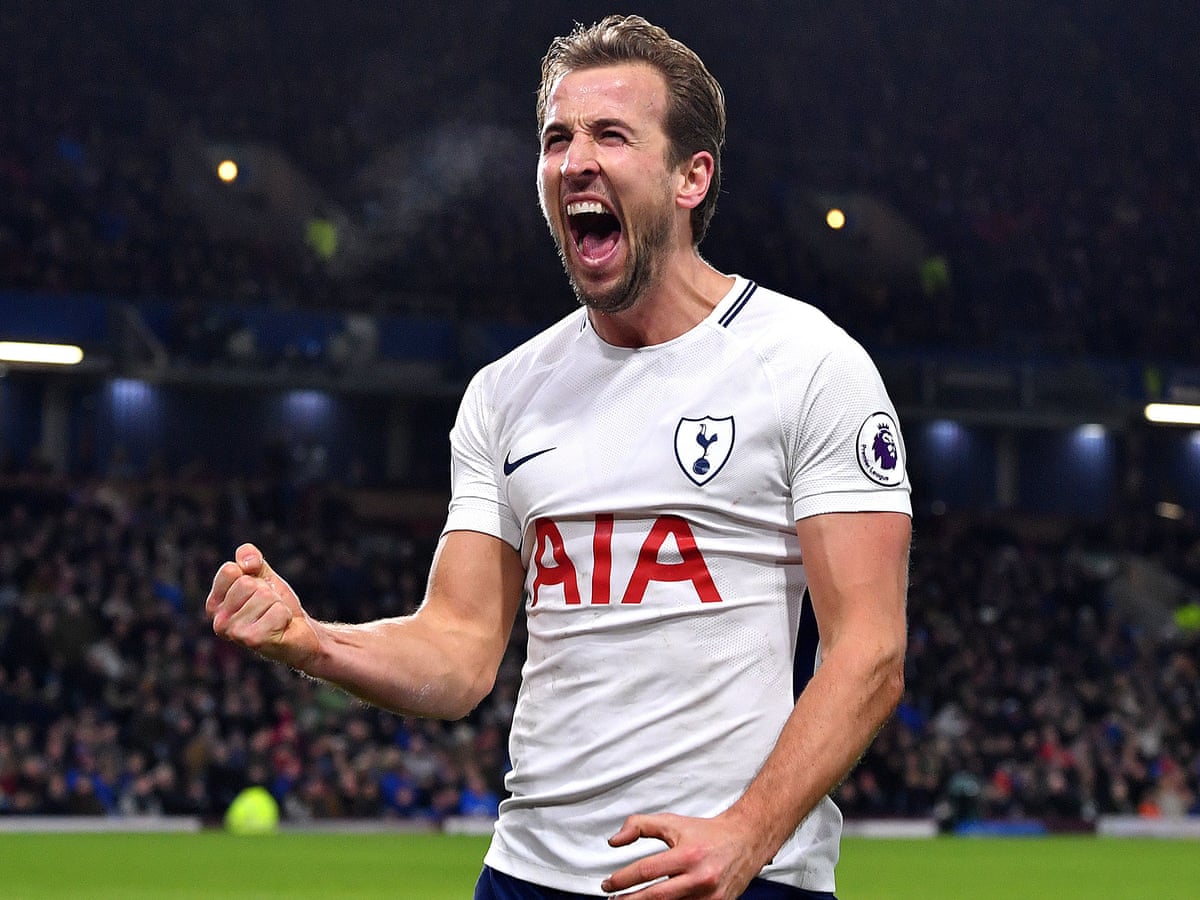
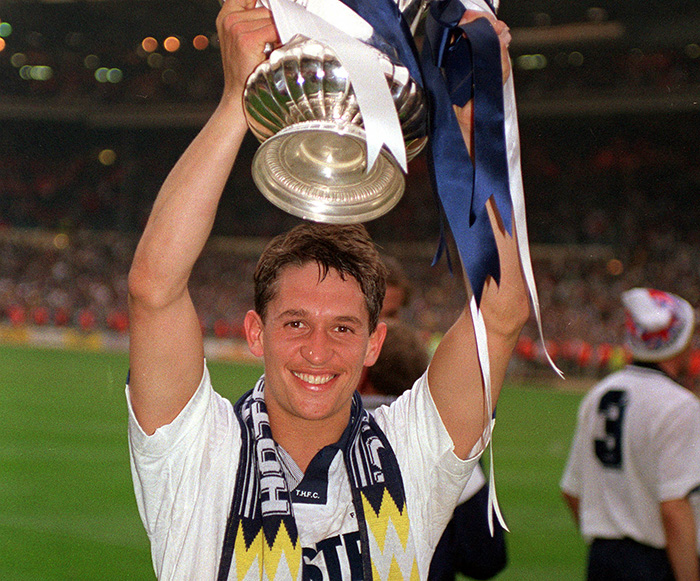
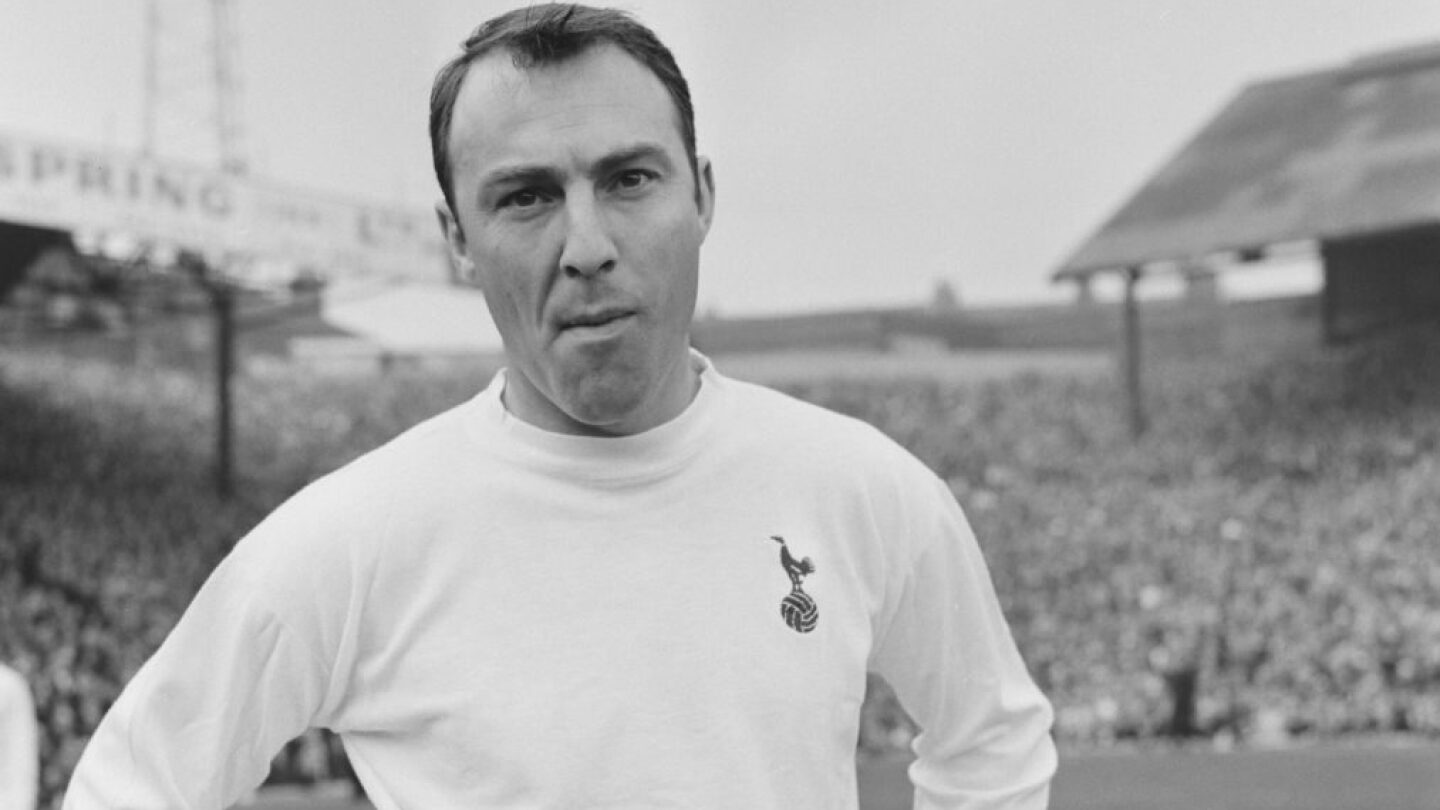
Tottenham’s history is studded with players who wore the Lilywhite shirt with distinction. Below are Spurs’ most celebrated players, across eras, and leading captains who gave the club identity and leadership.
All-time icons
- Jimmy Greaves – one of England’s greatest strikers; prolific goal-scorer and early post-war superstar.
- Glenn Hoddle – creative midfield genius, elegant passer and a major influence in the 1980s.
- Danny Blanchflower – captain and inspirational leader of the early 1960s double side; known for intelligence and leadership.
- Cliff Jones & Dave Mackay – part of the 1960s golden side.
- Ledley King – modern defender of exceptional quality and loyalty; club legend despite injury limitations.
- Gary Lineker – prolific goalscorer and global star (later moved on).
- Paul Gascoigne – dazzling talent linked with straight brilliance (shorter Spurs spell).
- Harry Kane – Spurs’ modern icon and all-time leading goalscorer for the club; a homegrown centre-forward who became a global star and captain.
- Son Heung-min – club favourite, leadership, and modern talisman alongside Kane; first Asian captain to lead Spurs in key matches and a global icon.
Notable captains
- Danny Blanchflower – led the 1960–61 double team.
- Ledley King – idolised defender and de facto captain during his era.
- Harry Kane – captain and all-time top scorer, a player of both leadership and consistency.
- Hugo Lloris – led the side with experience and made key saves across major campaigns.
These players span the tactical and stylistic shifts in Spurs history — from the skillful passing of the 1950s/60s through the physicality of the 1980s and the technical, global stars of the modern game.
Club Challenges
Tottenham’s history has seen recurring challenges that shaped the club’s decisions, strategy and culture.
Stadium & financial pressures — White Hart Lane’s limited capacity and infrastructure pushed the board to pursue a redevelopment or relocation. That process, culminating in the Tottenham Hotspur Stadium project (completed 2019), was expensive and complex and required careful financing and commercial planning. The club’s emphasis on creating a multi-use stadium (NFL, concerts) reflects a broader strategy to stabilise revenue but also generated debt and tight transfer budgets in certain periods.
Sporting inconsistency — Spurs have often been competitive without breaking consistently into the absolute top prize winners; top-four finishes and European qualification were frequent but translating potential into multiple major trophies proved elusive for long stretches.
Managerial turnover and recruitment misfires — the 2010s and early 2020s saw several short-term managerial appointments and expensive transfers that did not always deliver expected returns; the club aimed for the balance between sustainability and immediate success.
Fan discontent over strategy — periods of perceived underinvestment or prioritisation of commercial projects (stadium, hotels) over player recruitment occasionally caused friction between fans and the board.
Post-War Challenges (sensitive note; no conflation with unrelated historical tragedies)
Following World War II, Tottenham — like other British clubs — faced stadium damage, resource shortages and the task of rebuilding squads and community ties. The post-war period demanded creative management, local engagement and patient sporting rebuilding. Spurs used the post-war decades to consolidate identity, invest in youth and evolve tactically. There is no club-level episode in Tottenham’s history that corresponds to, or should be described by, the Holocaust; such a term refers to a distinct and specific historical atrocity and must not be conflated with club operational history.
Transfer Record Signings — Buying & Selling
Tottenham’s transfer strategy has evolved: historically cautious compared with some rivals, but recent windows (especially around and after stadium completion) saw record-level spending.
Notable record buys (reported / approximate figures):
- Giovani Lo Celso / Tanguy Ndombele / Richarlison — large fees within different windows; Richarlison (signed 2022) was among more expensive signings.
- The club’s record purchase was pushed higher in the 2020s as Tottenham moved to rebuild around key areas. Exact ranking and fee figures vary by source, but recent high-value signings reflect an accelerated spending strategy.
Major sales (biggest departures & fees):
- Gareth Bale — sold to Real Madrid in 2013 for a fee reported around €101m, the club’s biggest sale and among world-record figures of the time.
- Harry Kane — transferred to Bayern Munich in 2023 for a fee reported at an initial £86–£100m depending on add-ons; a defining sale for Tottenham that reshaped the team’s transfer approach and income profile.
Transfers often shaped Spurs’ short-term fortunes: marquee departures funded the stadium and recruitment, while incoming players attempted to reshape tactical profiles under successive managers.
Club Overall Achievements
Tottenham’s trophy cabinet and high-profile achievements place Spurs among England’s historic clubs.
Major honours in brief: League champions (twice: 1950–51 and 1960–61), multiple FA Cup triumphs, League Cup successes and notable European laurels — including the 1962–63 Cup Winners’ Cup and multiple UEFA Cup/Europa League victories across the 1970s, 1980s and in the 2024–25 campaign. Spurs’ place as one of London’s major clubs is supported by their consistent presence in top-division football and their modern stadium’s capacity and commercial footprint.
All Trophies Won — From Major to Minor
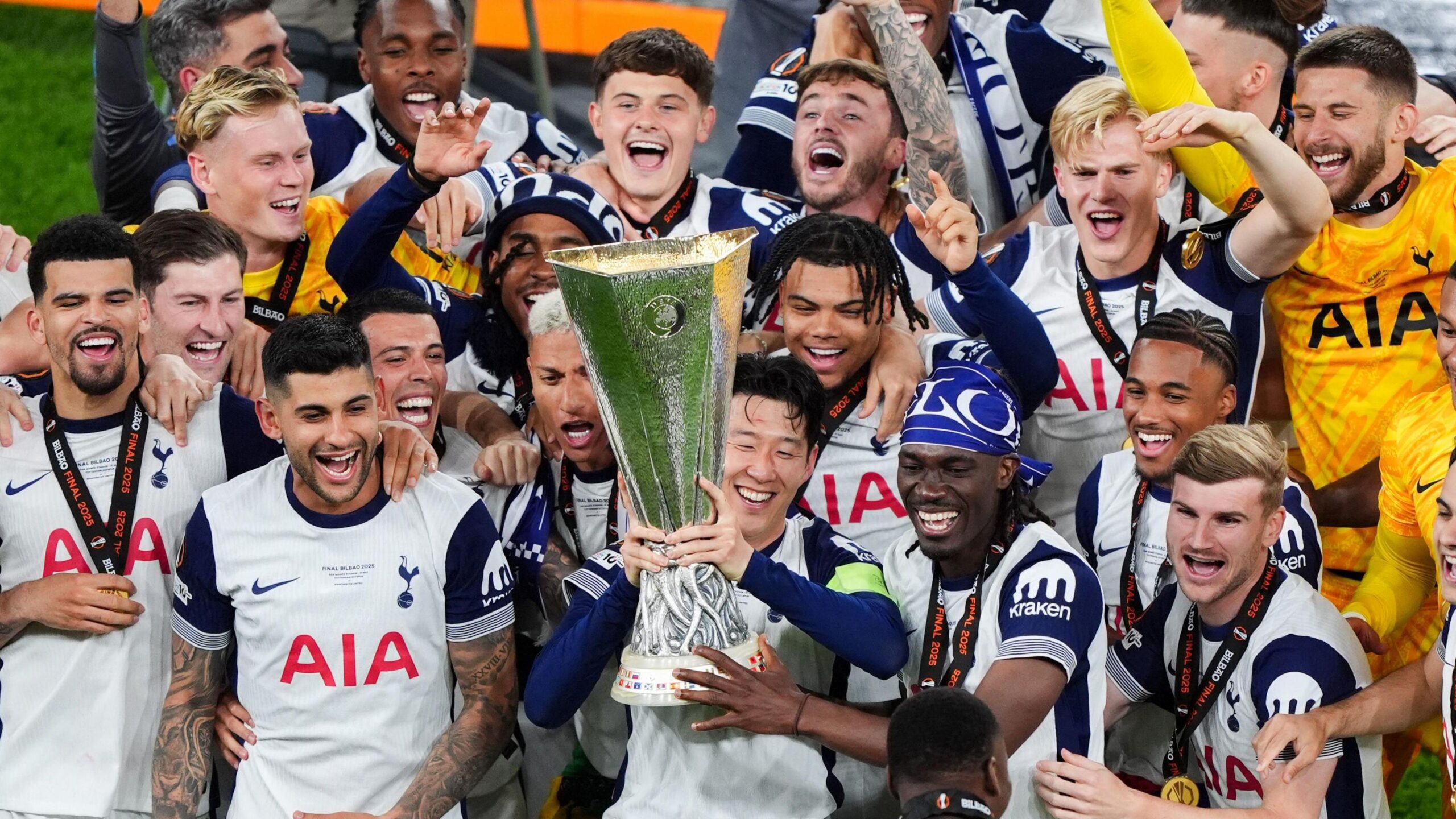
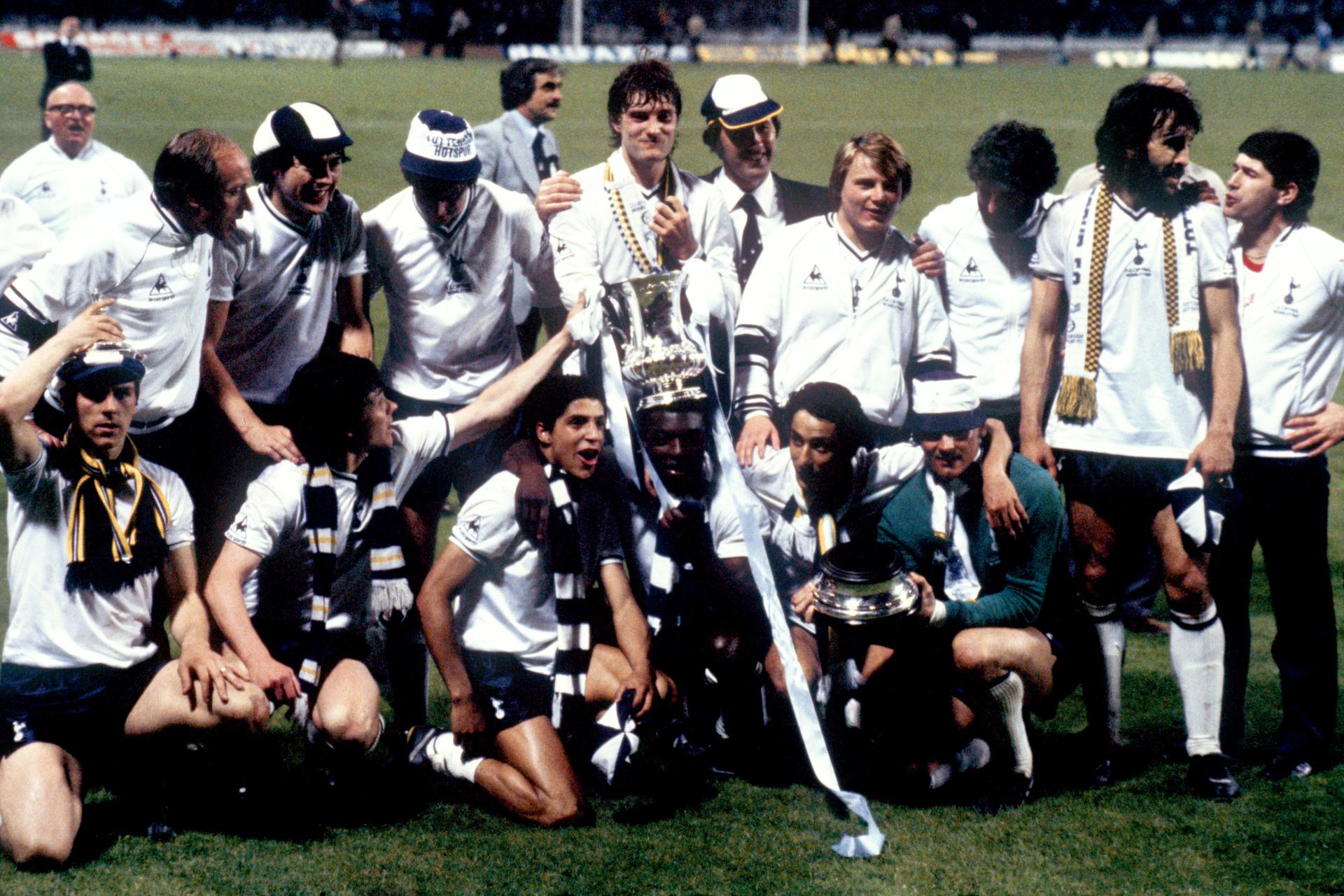
Tottenham’s principal honours include:
- First Division / Premier League titles: 2 (1950–51, 1960–61)
- FA Cup: 8 (early 20th century to 1990–91)
- League Cup (EFL Cup): 4 (including 2007–08)
- European trophies: UEFA Cup Winners’ Cup (1962–63), UEFA Cup / Europa League (multiple wins across 1971–72, 1983–84, and most recently 2024–25)
- Community Shield / Charity Shields and other domestic trophies across multiple decades.
A complete season-by-season honours table appears in the appendix; above are the most load-bearing titles that define Spurs’ competitive legacy.
Home Ground & Training Centre
White Hart Lane to Tottenham Hotspur Stadium
White Hart Lane was Tottenham’s home ground for over a century and the setting of countless memories. Seeking a modern arena suitable for global competition and multi-use events, the club developed the new Tottenham Hotspur Stadium, opening in 2019 with a capacity of around 62,850 — the largest club stadium in London. The new stadium is equipped for NFL games, concerts, and major events, reflecting Tottenham’s commercial ambitions and matchday enhancements.
Hotspur Way training centre
The club’s modern training base at Hotspur Way (Bulls Cross, Enfield) houses first-team pitches, sports science, rehabilitation, and youth facilities. It serves as the operational heart of football development at the club, supporting daily training, academy progression and the club’s tactical work.
All Coaches and Their Era (Expanded)
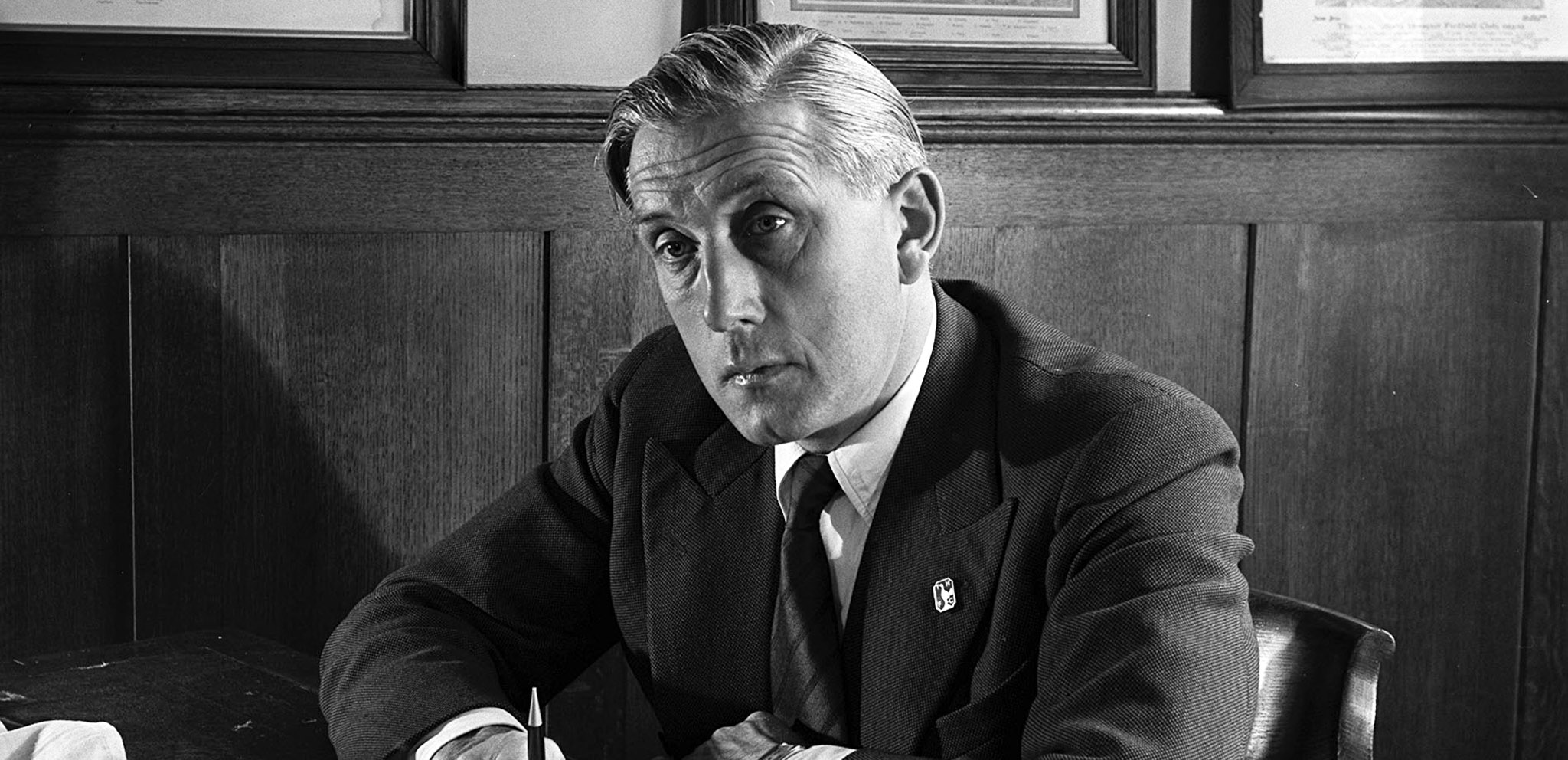
A fuller timeline of managers and their defining traits:
- Arthur Rowe (late 1940s–1950s): introduced “push and run” football, won the Second Division title and then top-flight success.
- Bill Nicholson (1958–1974): modernised Spurs, won the Double (1960–61) and the 1962–63 European Cup Winners’ Cup.
- Keith Burkinshaw (1976–1984): FA Cup successes and solid league performances.
- Graham Roberts / Ossie Ardiles (interim periods across 1990s): transitional eras.
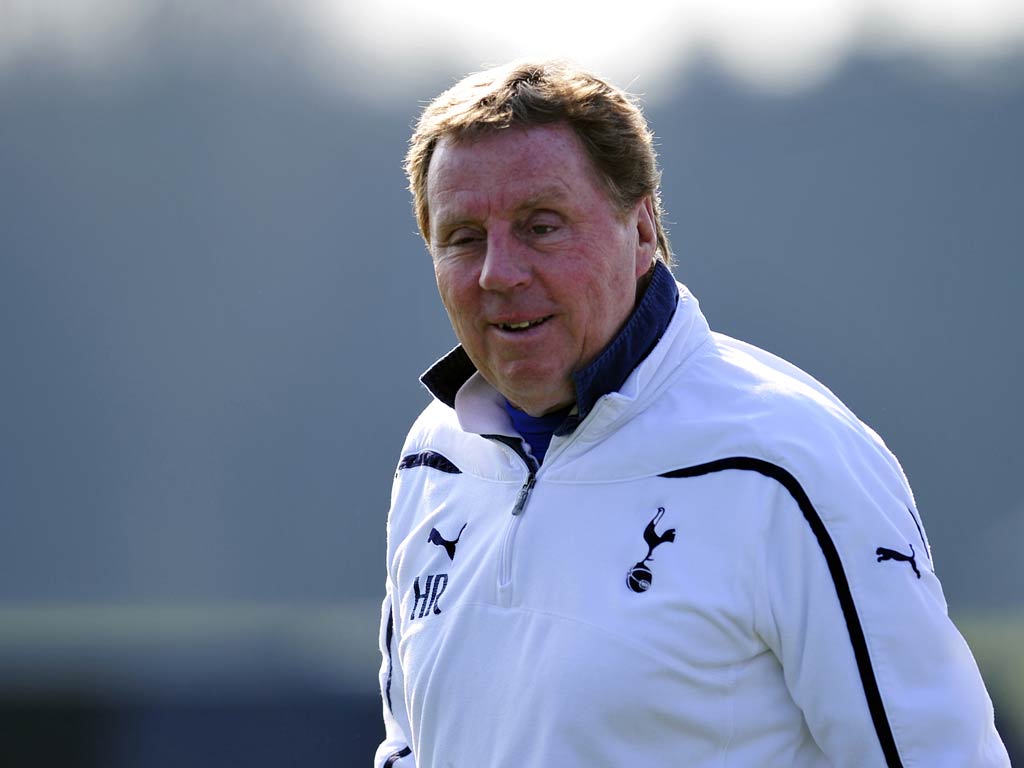
- Harry Redknapp (2008–2012): restored competitive momentum and Champions League qualification.
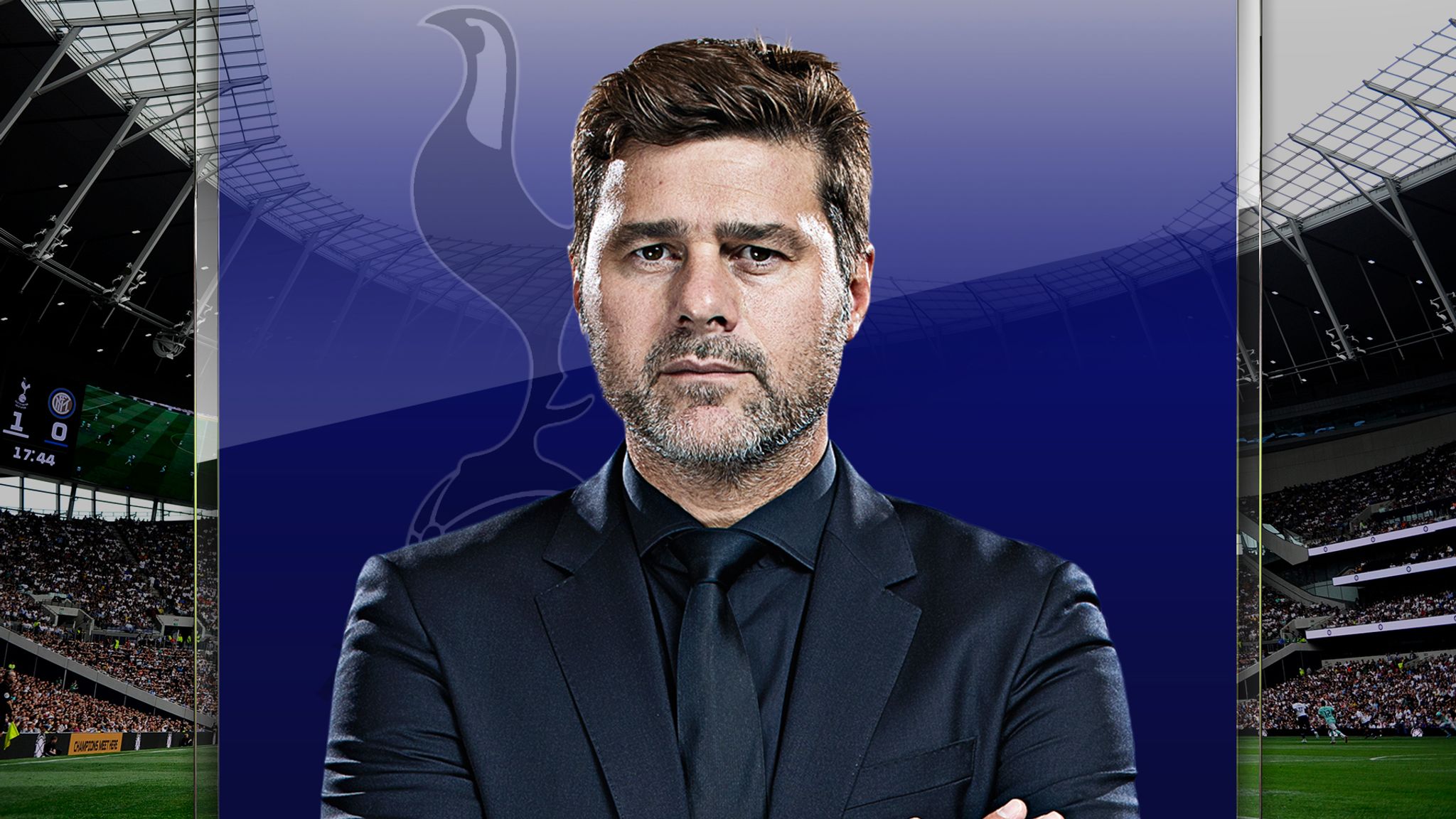
- Mauricio Pochettino (2014–2019): modern identity via pressing, youth integration and a 2019 Champions League Final.
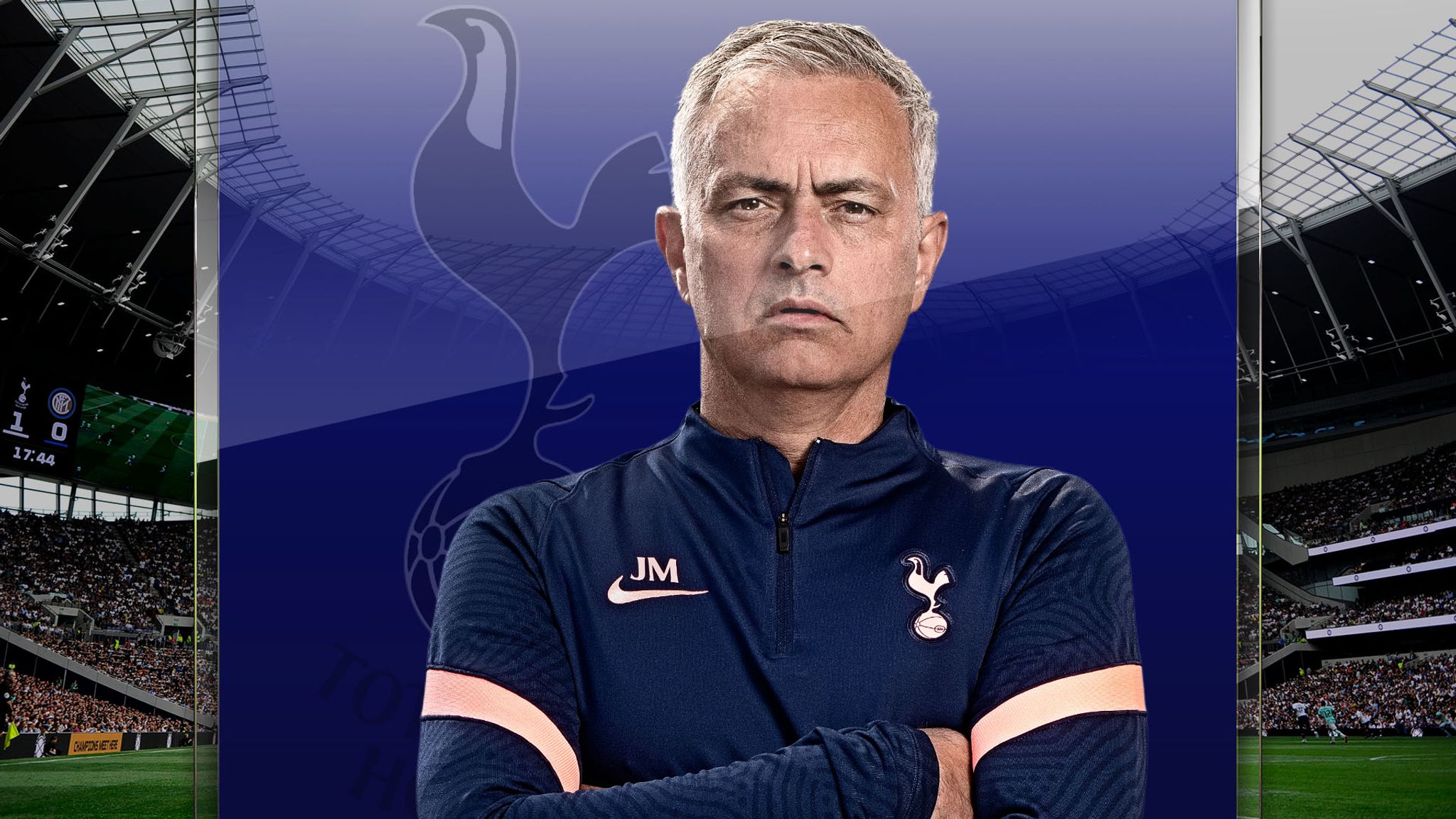
- Jose Mourinho (2019–2021); Nuno Espirito Santo (2021); Antonio Conte (2021–2023); Ange Postecoglou (2023–2025); Thomas Frank (2025–Present): a sequence of short to medium spells with varied tactical approaches reflecting Spurs’ search for long-term stability and silverware.
All Owners of Tottenham from Inception Till Date
Early local ownership — Tottenham was initially operated by local committees and community figures.
Late 20th century — the club passed through several private owners and directors who professionalised operations.
ENIC era (2001–present) — Since the early 2000s, ENIC International Ltd (associated with Joe Lewis, with Daniel Levy as Executive Chairman/CEO) became the majority shareholder, driving commercial growth, the stadium project and global expansion. ENIC’s ownership reshaped Tottenham’s finances and infrastructure and has been central to the club’s modern strategy. In 2025, after nearly 25 years in his leadership role, Daniel Levy stepped down as chairman — a milestone in the club’s governance while ENIC remains the majority owner and the Levy/Lewis relationship continues to influence ownership structure and board composition.
Tottenham Hotspur Women — Success & Achievemen
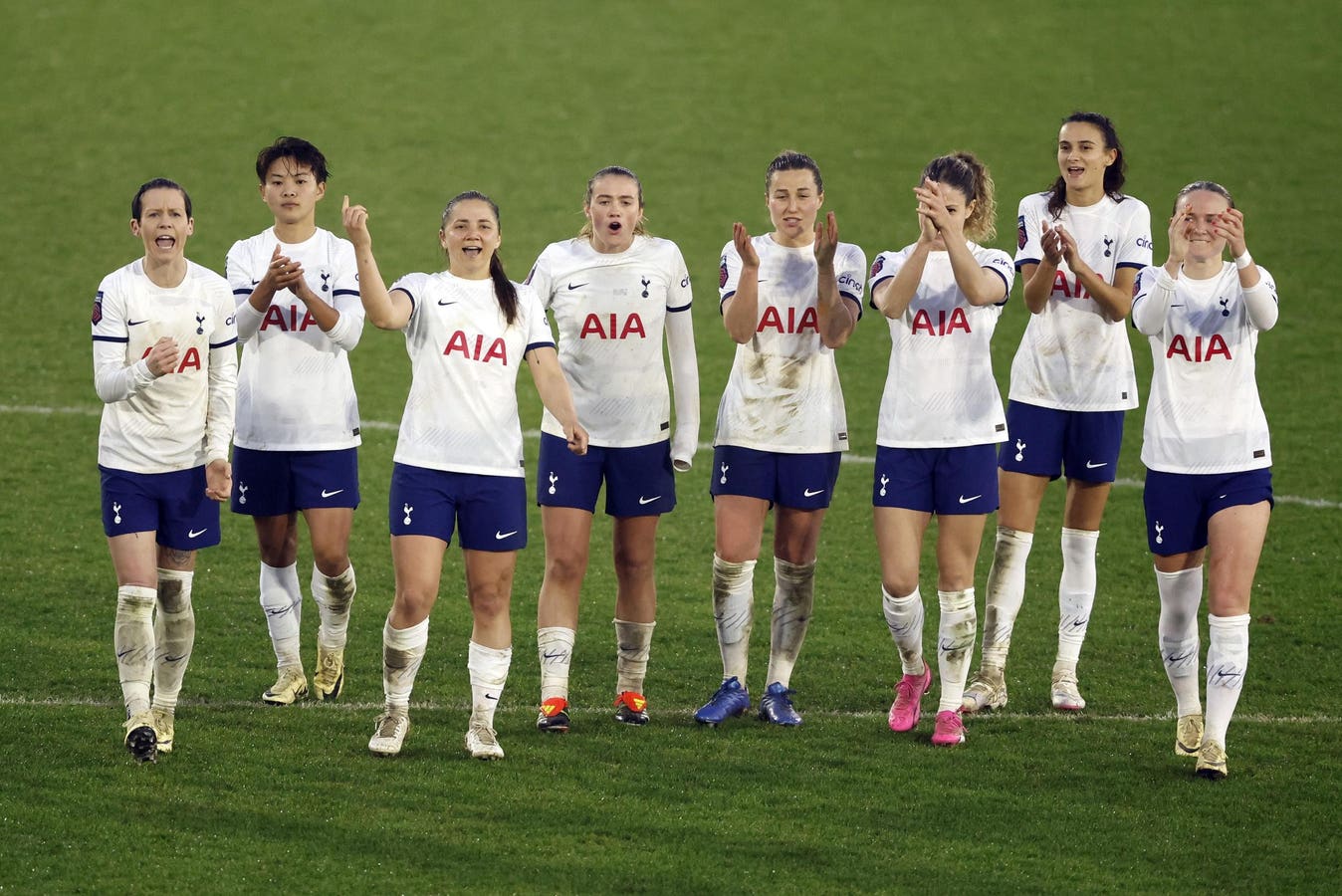
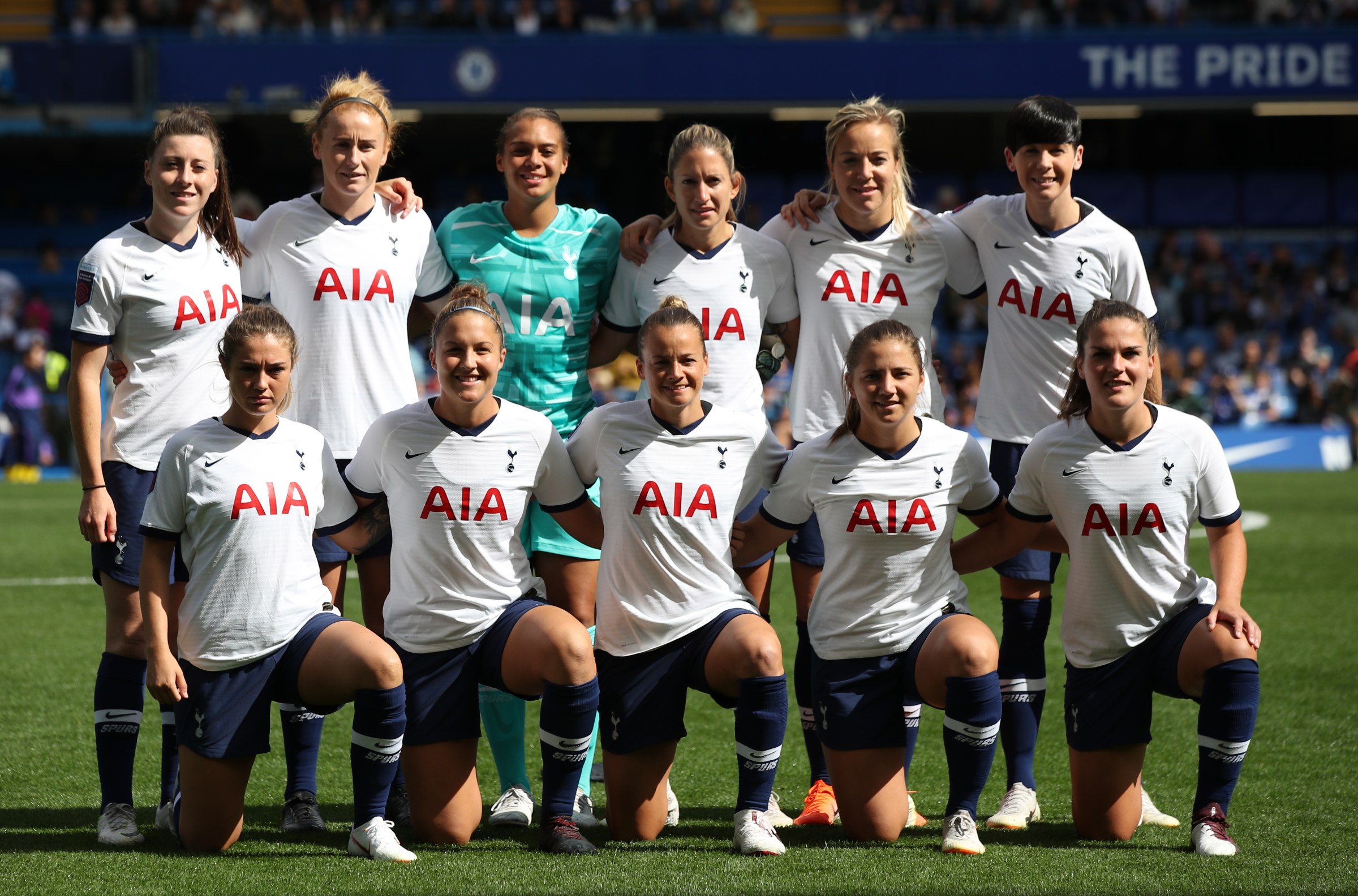
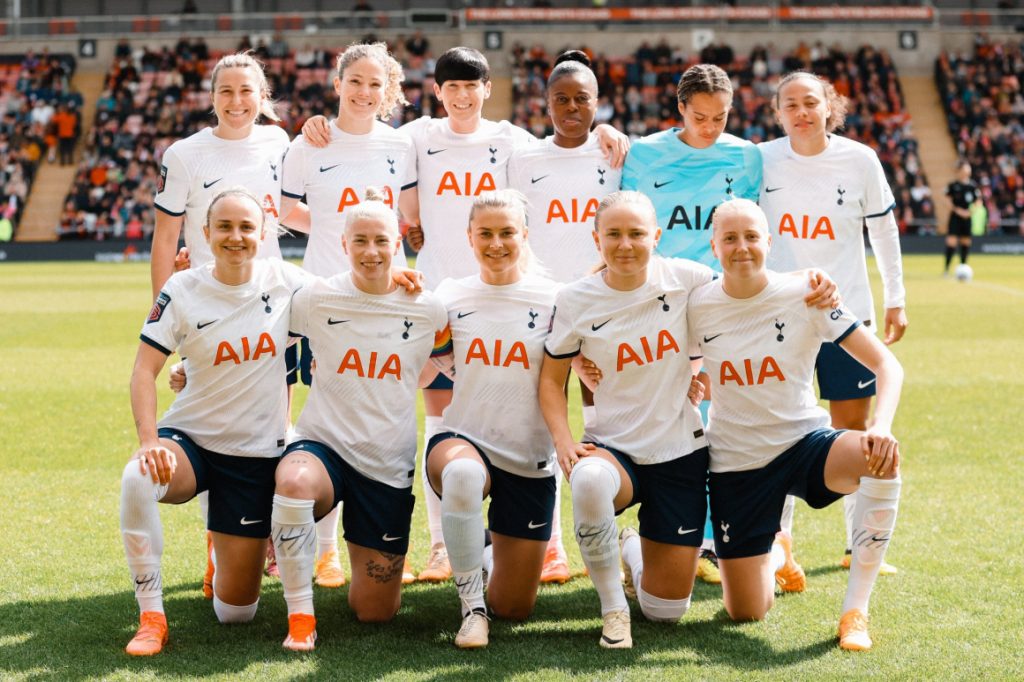
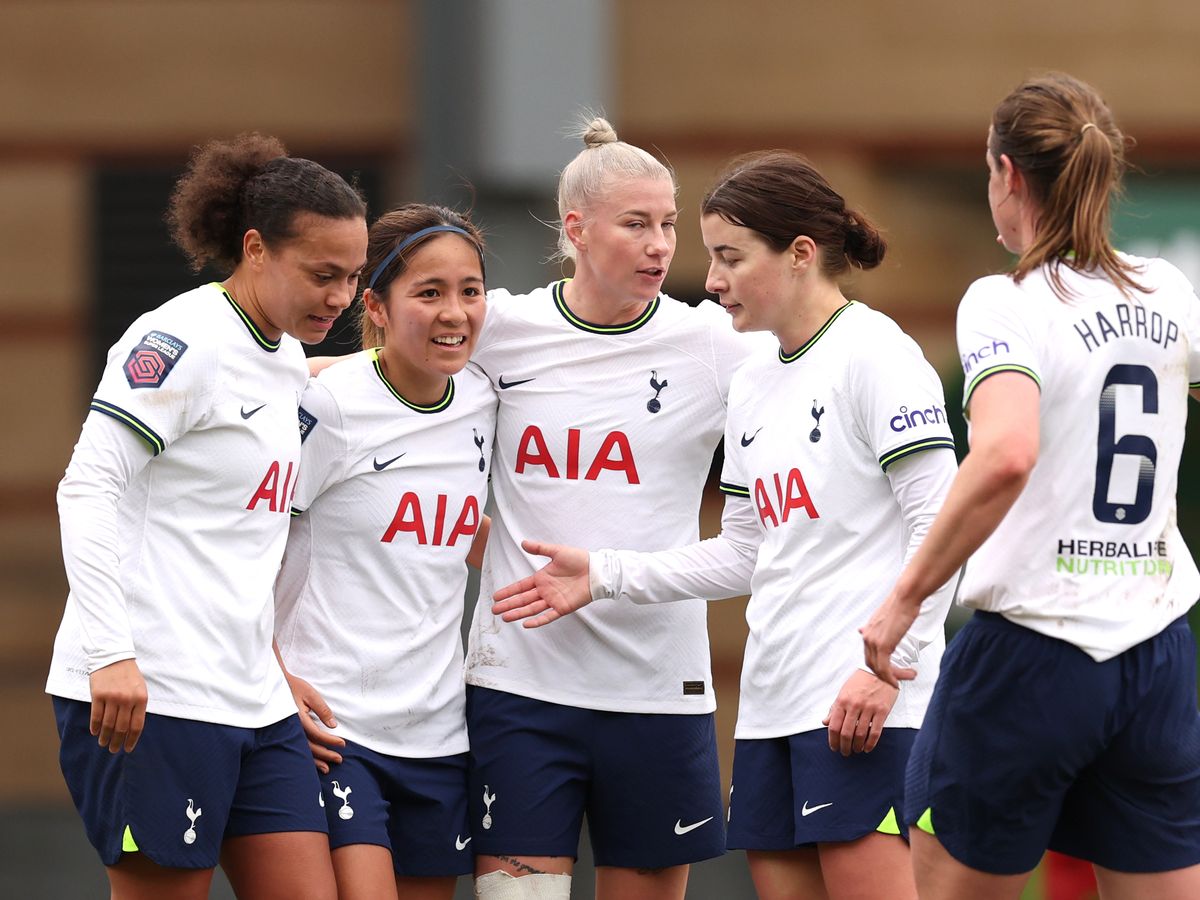
Tottenham Hotspur Women have developed quickly amid the expansion of women’s professional football in England. The club has invested in coaching, facilities and recruitment, and competes in the Women’s Super League and FA competitions. While Spurs Women have not historically been dominant in the way some WSL sides have been, recent years saw improved league finishes, stronger academy links and growing fan attendances — reflecting the club’s broader commitment to investing in elite women’s football.
African Players Who Have Featured (Greatest → Lesser)
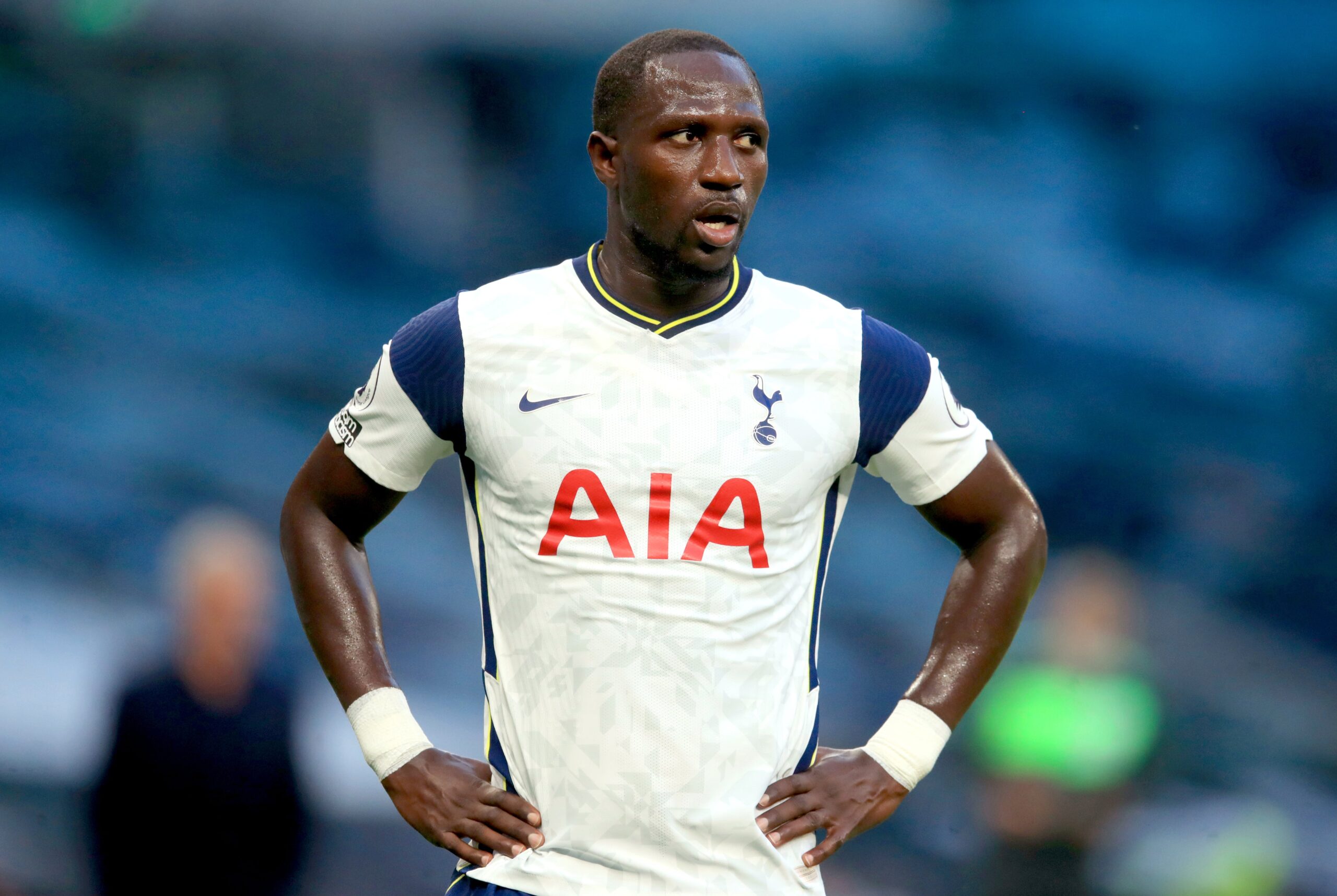
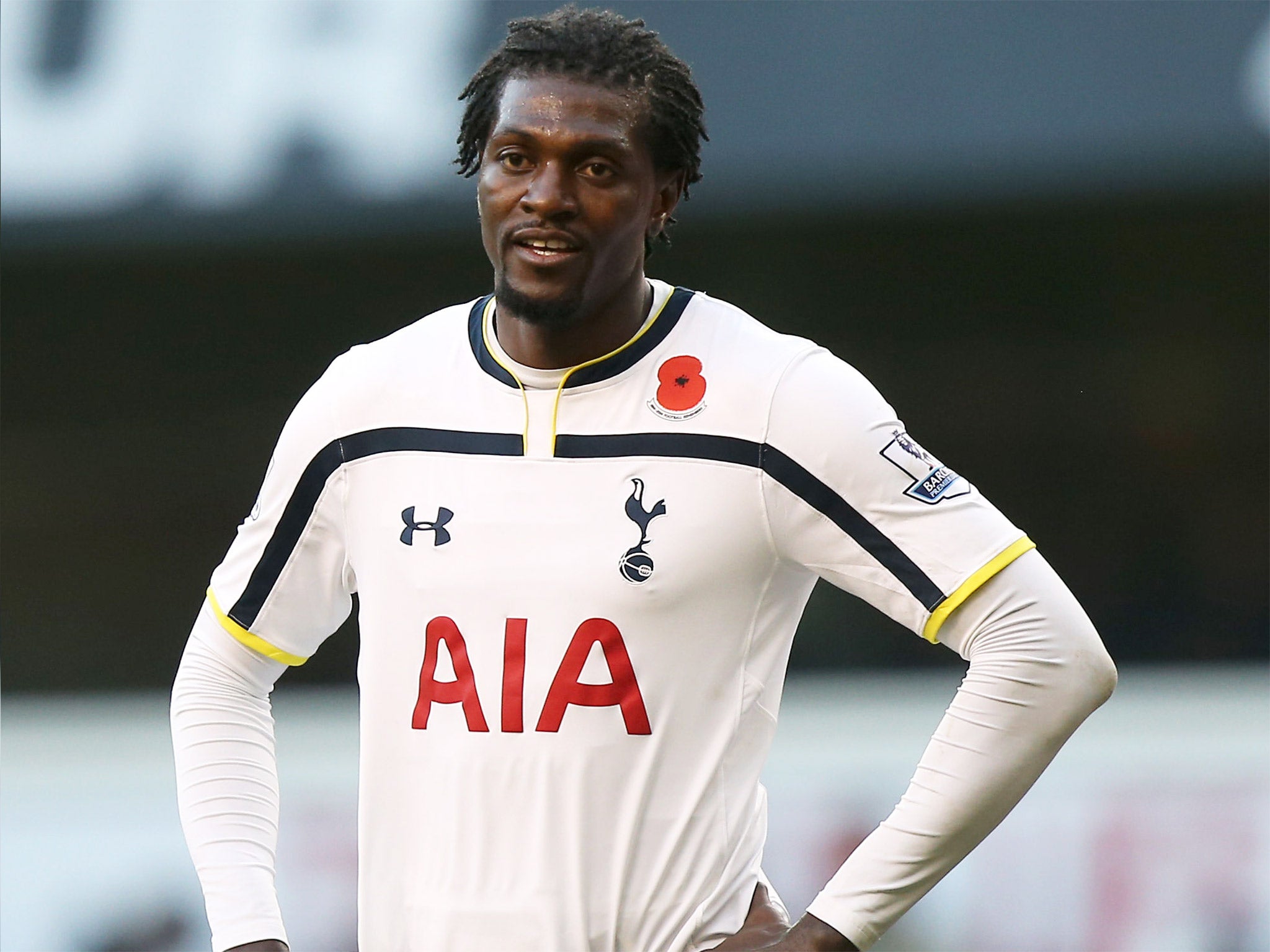
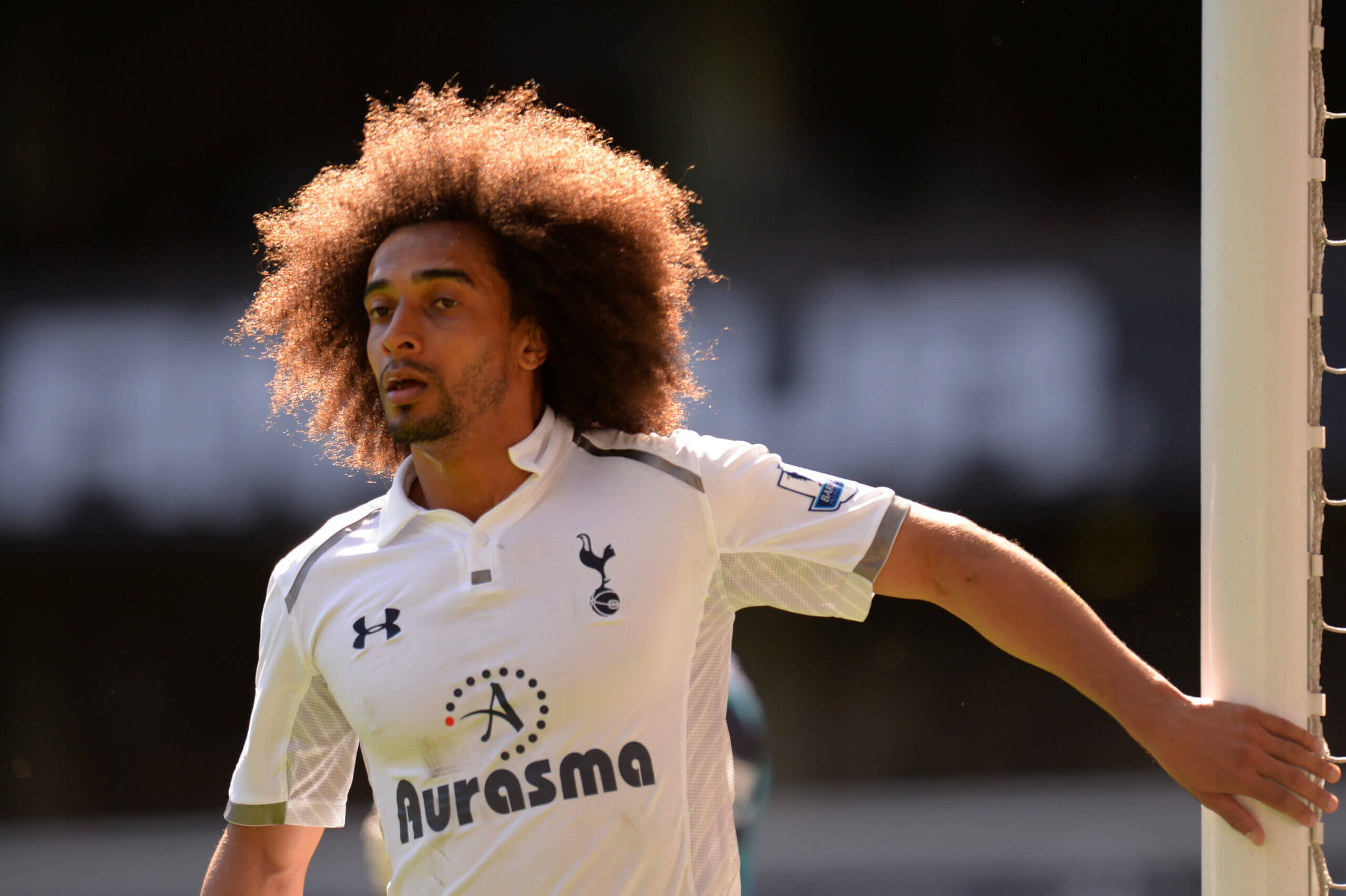
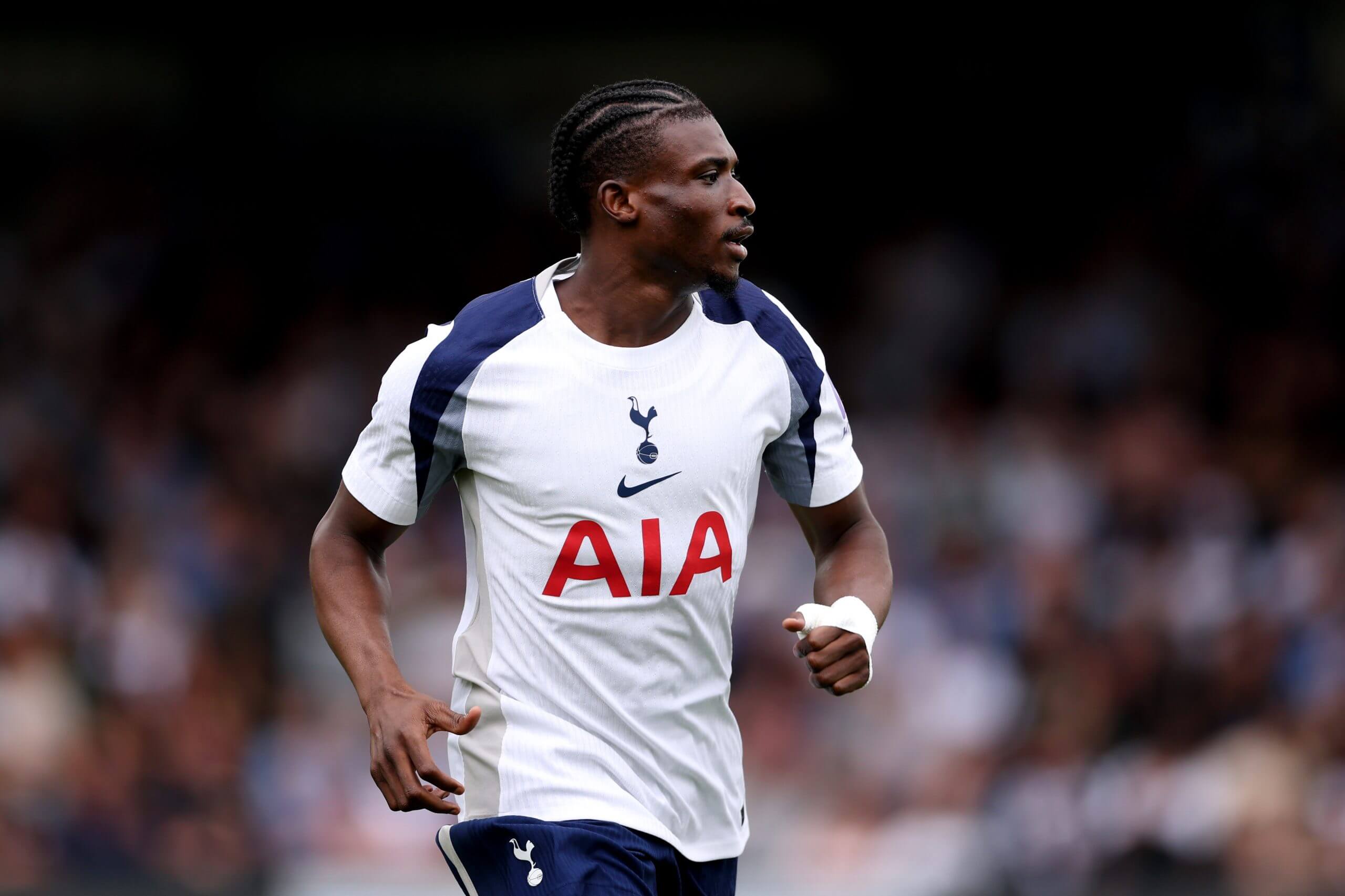
Tottenham has had a strong African presence over time; notable names include:
- Benoît Assou-Ekotto ( cameroun – arguably the beat left back to have graced Tottenham fc
- Emmanuel Adebayor (Togo) — prolific striker at his peak.
- Moussa Sissoko (Mali) — midfield workhorse who served important spells.
- Mohammed Kudus ( of Ghanian nationality)
- Younes Kaboul (France/Tunisian heritage)
Asian Players Who Have Featured (Greatest → Lesser)
Asian players who have featured or starred for Spurs include:
- Son Heung-min (South Korea) — Spurs’ modern superstar, global ambassador for the club, joint top-scorer alongside Harry Kane in multiple seasons, and a central figure in club identity. Son’s importance goes beyond goals: leadership, versatility and influence in fostering Spurs’ Asian fanbase make him arguably the most significant Asian player in the club’s history.
- Other Asian players have included short-term signings or academy players — but Son stands out uniquely for sustained impact.
The Rivalry with Arsenal (North London Derby)
Origins & geography
The North London derby between Tottenham Hotspur and Arsenal is one of English football’s fiercest domestic rivalries. It dates to the early 20th century when Arsenal relocated from Woolwich to Highbury (northwards) — bringing the two clubs into geographic proximity and planting the seeds of local rivalry. The derby is a contest of identity and locality: Tottenham’s N17 against Arsenal’s hollowed north London suburbs; working-class pride; bragging rights across neighbourhoods.
Sporting intensity & cultural meaning
Derby matches are high-pressure affairs that shape seasons, influence managerial job security and carry huge emotional weight among supporters. North London derbies have produced historic matches, major turning points in title races, and moments of extraordinary individual drama. The fixture defines loyalty, forms local narratives and often dominates media and fan discourse for weeks at a time.
Recent context
In modern times both clubs have sought to combine globalisation with local identity, and the derby remains a fixture that unites and divides fanbases in equal measure. Each encounter still carries the mix of tactical nuance and raw atmosphere that defines elite local football rivalries.
Rivalries with Other London Clubs
Tottenham’s London rivalries stretch beyond Arsenal: Chelsea, West Ham United, Crystal Palace and others share competitive and historical rivalries with Spurs.
- Chelsea — a cross-class and increasingly competitive rivalry, amplified by mid/late-2000s and 2010s title and European ambitions.
- West Ham United — East vs North/West London dynamics, with social and historical undertones around local identity.
- Crystal Palace & Fulham — more situational rivalries generated by league position, local proximity, and cup draws.
Collectively these rivalries shape player recruitment, fan narratives and the club’s London identity. They ensure that Tottenham’s season is punctuated by fixtures that matter more than three points — they shape the West-End vs East-End stories and reveal how local culture feeds football identity.
Conclusion (wrap-up)
Tottenham Hotspur’s history is a study in ambition tempered by local identity. Born of schoolboys and local cricket clubs in the 1880s, the club grew into a professional powerhouse whose modern footprint includes a cutting-edge stadium, elite training facilities and a global fanbase. Spurs’ story balances stylish football, moments of great triumph (double-winning 1960–61, historic European wins), the highs of modern Champions League campaigns, and the complex realities of stadium financing, managerial churn and the modern transfer market.
Through this article you have the full map of Tottenham’s journey: the origins and first grounds, the evolution of club structure, the managers who shaped identity, the great players and captains, the post-war rebuild and modern challenges, the stadium and training investments, the ownership story, the women’s team, and the two layers of rivalries that give Tottenham its edge. Spurs remain a club of aspiration: demanding on the pitch, rooted in north London, and intent on combining tradition with a modern global business model.